What is fast fashion?
Dictionary
Definitions from Oxford Languages · Learn more
fast fash·ion
/ˌfast ˈfaSHən/
noun
inexpensive clothing produced rapidly by mass-market retailers in response to the latest trends.
"the high-street leader when it comes to fast fashion"
Fast fashion is all about making the most amount of clothes, for the largest audience, in the quickest amount of time. It is centered around convenience and the objective of making as much money as possible, from as many people as possible.
Fast fashion brands create new styles almost weekly (some daily) in order to keep up with emerging trends.
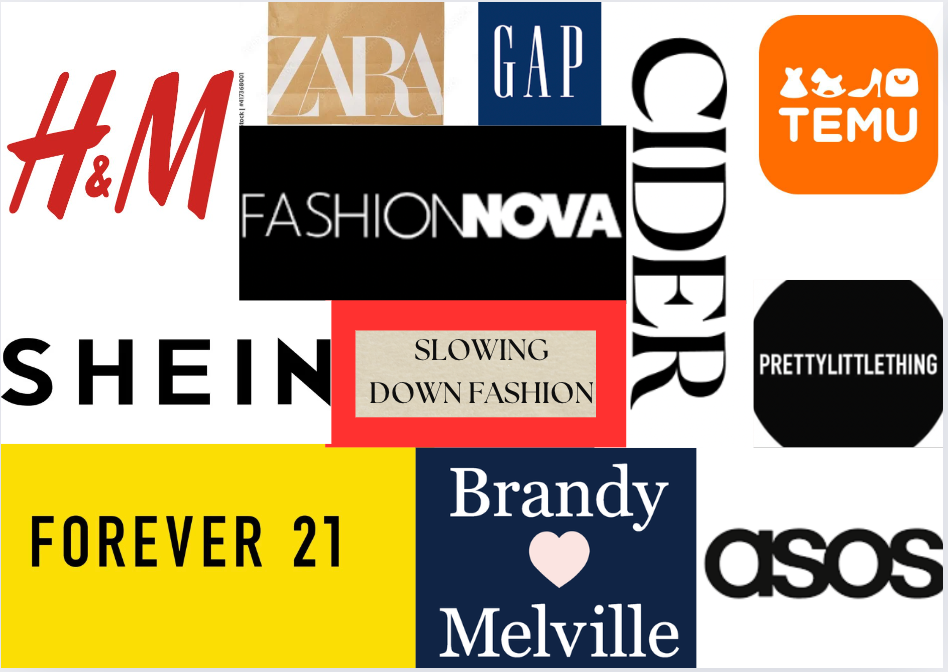
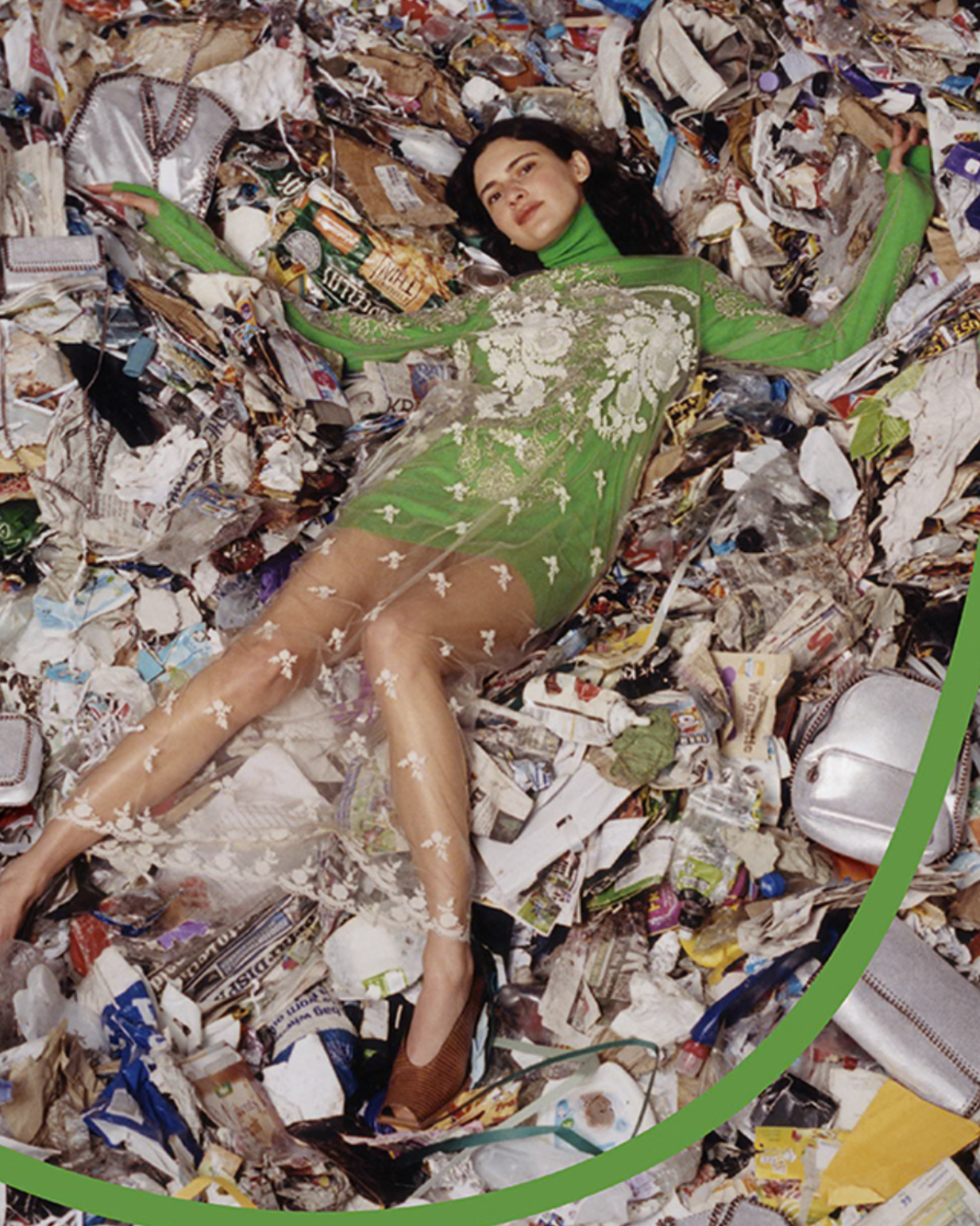
Why avoid fast fashion?
Fast fashion contributes to…
Environmental concerns
Labor exploitation
Overconsumption
ENVIRONMENTalconcerns
92 million tons of textiles waste is produced every year
The average US consumer throws away 81.5 lbs of clothes every year.
The apparel industry’s global emissions will increase by 50% by 2030.
labor exploitation
To keep clothes cheap and profits high, many brands outsource production to factories in countries where labor is inexpensive and regulations are overlooked, like Bangladesh, China, and/or Vietnam.
Workers, who are often women and children, are paid far below a living wage and forced to work long house in unsafe, overcrowded conditions. They face no job security and are often denied basic rights like breaks, healthcare, or the ability to unionize.
overconsumpt-ion
In the age of influencers, brand deals, and advertisements (oh my!) we are told from every direction to buy, buy, buy.
Even when these are things we really do not need.
what you can do to help
check the company
Lots of companies will say they’re sustainable or ethical, but really aren’t. Here are some ways to double check that:
Do your own research
Use sites like Good On You or Remake to find sustainability reports on brands you want to buy from
Look at materials — look for items that are 100% cotton instead of cheaply manufactured ones like polyester
check yourself
Lots of times, we are consumed by the idea of consumption itself. Ask yourself some questions before making a purchase.
It’s always beneficial to ask yourself, do you want, need, and really love this item? It’s easy to press that “order” button or swipe your credit card because something is on sale. Ask yourself if this item is something you could really see wearing, more than once. Think about if you already have something similar in your closet. It’s common to try something on and buy it because you think it’s cute, even if the jeans are too long or the top is too tight. If it does not fit you in a way you absolutely love, rethink it.
check where you shop
With clothing companies dropping new styles sometimes daily, it can be tempting to see what’s being churned out of the fast fashion mill — but what’s way cooler is to shop second-hand or vintage. By second-hand shopping, you’re saving the environment and upgrading your closet at the same time. It gives you a chance to find one-of-a-kind pieces that reflect your personal style—not just what’s trending.
Use applications like Depop and ThredUp
Shop at second-hand stores
Rent clothing instead of buying